 Questions? [email protected]
Turn Your Expertise Into a Real Tech Product.
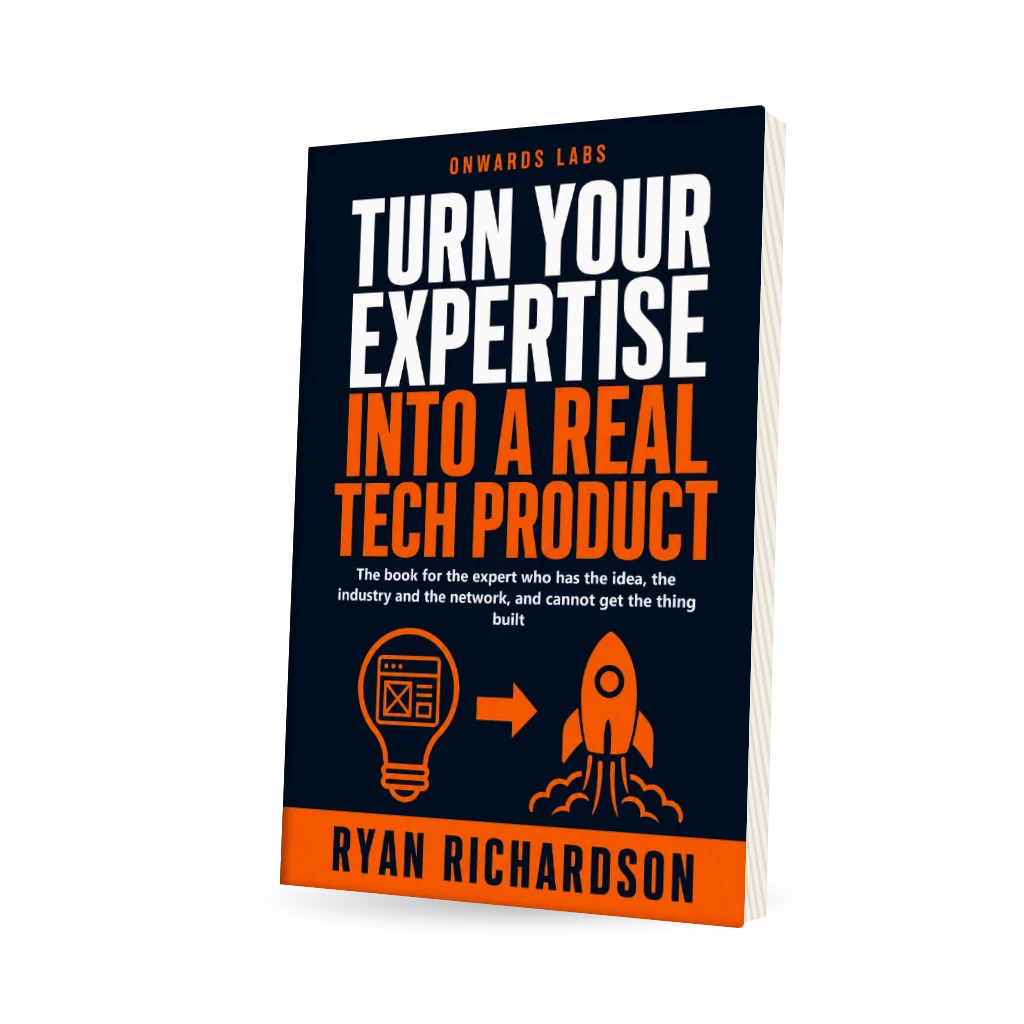
The field guide for the expert who has the idea, the industry and the network, and cannot get the thing built. 288 pages, as an EPUB and a PDF, sent to your email.
- 01Find out why a good idea stalls at eighty percent, and why it is not your skills.
- 02Know what a build costs, and how to read a quote.
- 03Get the simple version built and shipped, with the right people.
You do not need to become technical. You need a way to tell a product being built well from one being built to keep you paying.
I have been on both sides of the table.
I spent fifteen years in data and analytics, building and operating software for enterprise buyers, the kind who send a 140-question security questionnaire before they will take a demo.
I have been the technical person who could not make the business see what was possible, and the client writing the cheque who could not make a technical team understand what mattered.
I have taken three products from concept to paying customers. SOC 2 and ISO 27001 included.
You are not stuck because you are not capable. You are stuck because the standard way of building software is tuned for the wrong thing, and three things are pointed the wrong way. Not one of them is you.
The people you hire are paid to make the build bigger. Most of the people you would hire to build your product make more money the longer it takes and the more complicated it gets. That is not a conspiracy. It is how the work is priced.
And you, reading a list of features you do not understand, have no way to tell necessary complexity from the kind that is just running up the meter.
The people who do the building are trained to chase a number that was never your number. Give a data scientist the choice between a ninety-nine percent solution that takes two years and might not work, and a ninety-five percent solution that ships in two days, and they will pick the ninety-nine every time. That is how they are trained.
You do not buy scores. You buy decisions. A score can keep improving long after the decision has stopped changing.
Almost everyone in the room believes that more is the same thing as better. A six thousand page book is more complete and more correct, and nobody can read it. The two hundred page book is less complete and worth more.
The version that ships and gets used and starts earning is the two hundred page version. That version is the target.
Behind the first is the person who has not started. They have the idea and no first step, so it sits in a folder and gets a little less true every year.
Behind the second is the person who started. They paid for the build and watched it climb to eighty percent and stall. Zero and eighty are opposite ends of the same road, and the fix is the same from both sides.

I'm Ryan Richardson, founder of Sixty Steps.
- A psychology degree, a Master of Commerce in marketing and an MBA, then fifteen years in data and analytics.
- Reporting and analytics inside major mining and resources companies, up to leading analytics.
- Seven businesses and more than a hundred technical projects, from funded startups to tier-one enterprises. Two of the six builds in the book are losses.
- As CTO I have taken three products from concept to paying customers, SOC 2 and ISO 27001 included.
You have an idea you have tested on real people, they want it, and you have no idea how to get it built. You are paying developers or an agency and cannot tell whether you are getting what you paid for. You have been stuck at eighty percent for months. You want to lead the technology side without becoming an engineer.
You are a deeply technical founder who already lives on both sides of the gap. You want a rigid blueprint to follow line by line. You want a course, a coaching upsell or a twelve-week program. This is a $5 book. Your tech is fine and no project is hurting you.
Twenty-eight chapters on the gap between your idea and a product that ships.
Turn Your Expertise Into a Real Tech Product is 288 pages on how to scope it right, hire and manage the build without being the builder, and ship something real. It is the whole method, not a teaser for a course.
It is written for the expert who has the idea, the industry and the network, and cannot get the thing built. Where a number in it is an example rather than a record, the page says so.
It is in four parts.
The fog, the real reason you are stuck, and why a product, and why you.
Before it, a few pages on what I sell, who the book is for, who I am, how I make my living and how the book was made, so there are no surprises about any of them.
The fifty, the thirty and the ten. What a build costs, and how to read a quote.
Get the idea right, scope the simple version, work with the right people, plan the fail, ship, test and pivot, and where AI changes things.
What it cost me, and how working with me would work if you want that. Chapter twenty seven is the ad, and it says so.
Not a promise. The results in the book are examples from my own projects, not promises. Outcomes vary with your situation and what you do with the material.
Five things you can do that you could not before.
By the last page you will know how this is done, what your first version should look like, and the size of the gap between where you are now and where you could be.
- 1Read a quote.Software stops being a fog. You know the words, and you can tell a fair quote from one built to keep you paying.
- 2Scope the simple version.What your first version should look like, and how to scope it so it ships.
- 3Pick the right people.Who to work with, and the questions to ask a builder before you sign anything.
- 4Plan the fail.The numbers that tell you to stop, written down before you are attached to the thing.
- 5Ship.Ship, test and pivot, with an honest account of what AI changed for someone in your position and what it did not.
Turn Your Expertise Into a Real Tech Product
288 pages, as an EPUB and a PDF, by email.
Why $5?+
- This is a $5 book. It is not a course, a coaching upsell or a twelve-week program.
- The whole method is in the book, and you do not need to buy anything else to use it.
- If you want the person who wrote the method in the room, the end of the book says how. It is optional, and there is no hidden second half.
Sixty days to ask for the $5 back.
Reply to the receipt email any time in the next 60 days and the $5 comes back. No form, no reason. You keep the files.
Questions people ask first
What format is it?−
An EPUB and a PDF, 288 pages, sent by email the minute you pay. It is also in your Library at portal.sixtysteps.co. Nothing is posted.
Who is it written for?−
The expert who has the idea, the industry and the network, and cannot get the thing built. Either you have not started, or you started, paid for a build and watched it stall at eighty percent.
Do I need to be technical?−
No. The book is written for the expert who is not technical and does not want to be. It gives you a way to think, so you can tell a product being built well from one being built to keep you paying.
Is this a course?−
No. It is a $5 book, not a course, a coaching upsell or a twelve-week program. The whole method is in the book, and you do not need to buy anything else to use it.
Does it promise a result?−
No. The stories in it are real, and the results in it are examples from my own projects, not promises. Outcomes vary with your situation and what you do with the material.
I have already spent money and got stuck. Is it too late?−
Stuck is not the same as too late. Usually the path was wrong. Chapter four is about the real reason you are stuck.
Was AI used to write it?−
Yes. I gave AI my earlier book, my notes and the real builds in the pages, and agents drafted it in my voice while I steered. Where a number is an example rather than a record, the page says so.
Who are you?−
Ryan Richardson, founder of Sixty Steps. A psychology degree, a Master of Commerce in marketing and an MBA, then fifteen years in data and analytics. Seven businesses and more than a hundred technical projects.
Why take advice on building software from an analytics person?−
Because I know how a technical person thinks. I have been one, and I have also been the client writing the cheque, unable to make a technical team understand what mattered.
Have you built products this way?−
Three products, concept to paying customers, SOC 2 and ISO 27001 included. The book also tells the builds that lost, in the same voice as the wins.
How do you make your living, if the book is $5?−
Most of my income comes from data and analytics consulting through my own company. I also take CTO roles with equity, and I get the cover price of this book. That is the whole list, and it is written in the front of the book.
What is the catch? Is there an upsell?−
Three optional add-ons at checkout and a few optional offers after it. If you want me in the room, chapter twenty seven says how. None of it is needed to use the book.
Which add-on should I take?−
Each does one job. The Short Version + Decision Scorecard is the argument with no stories, plus a one-page scorecard for your idea. The Build Kit is for when you have a quote in front of you. The Stack Guide is the list of tools we build on, and the ones we refuse to.
What if it is not what the page said?−
Reply to the receipt email within 60 days and the $5 comes back. No form, no reason. You keep the files.
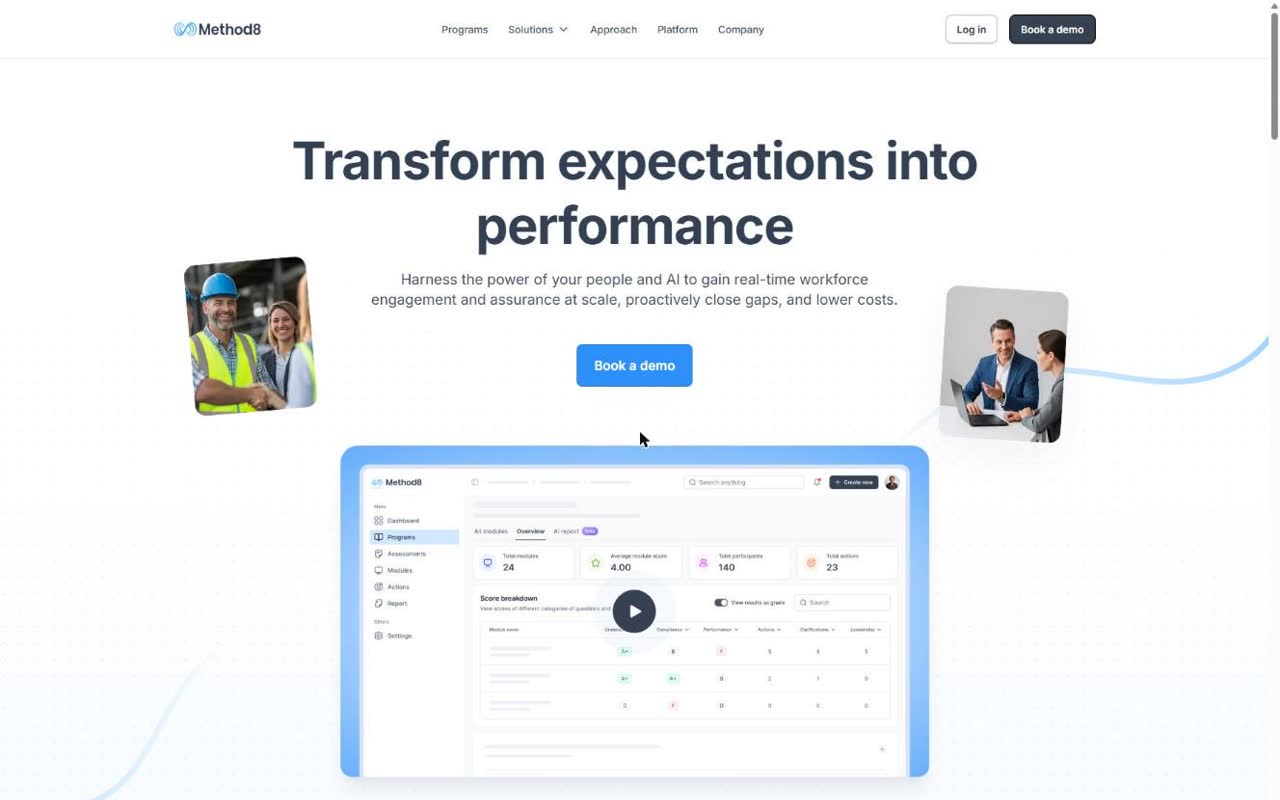
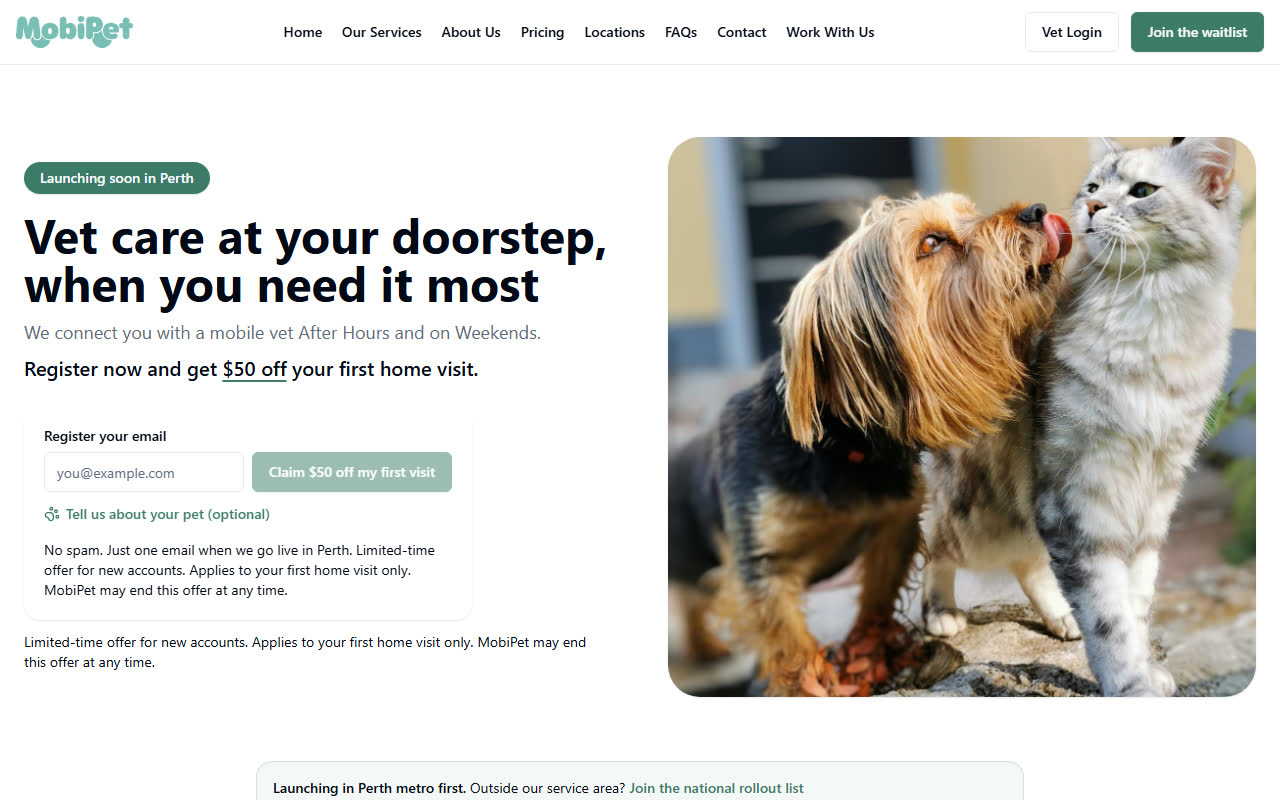
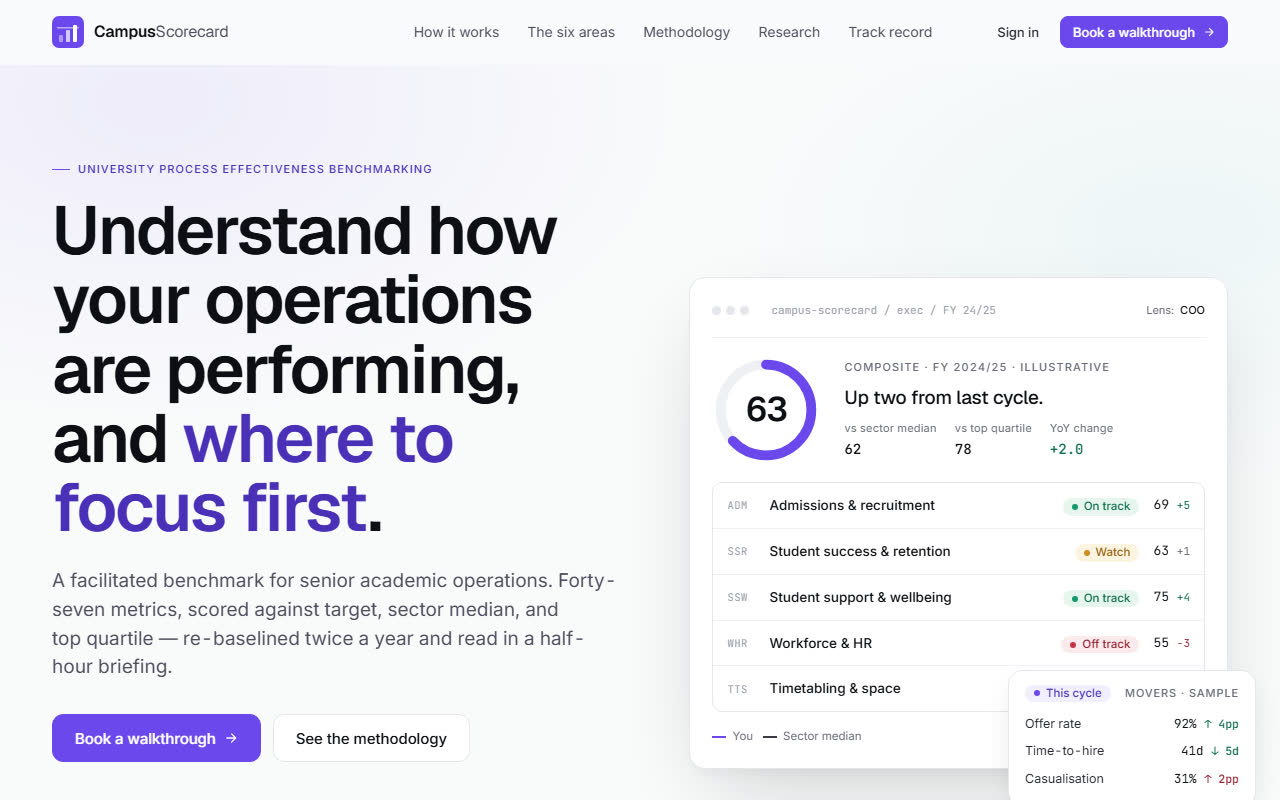
Three products, concept to live.
Not mock-ups. Live software with customers.
Find out why your idea stalled.
Or don't. Close this tab and the idea stays where it is: in a folder that gets a little less true every year, or at eighty percent, forever almost done. The book is $5, and you have sixty days to ask for it back.